Processed Meats & Long-Term Health: A Longevity Perspective
Science-backed insights on processed meat consumption and strategies for a healthier, longer life.
Understanding Processed Meats
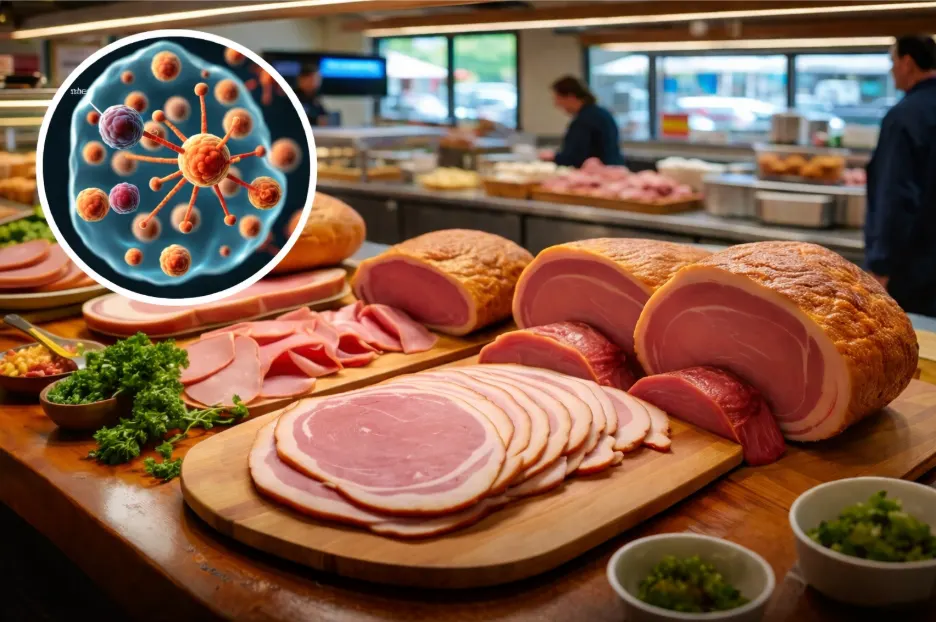
Processed meats such as deli meats, sausages, bacon, and cured products are widely consumed worldwide. The World Health Organization (WHO) classifies processed meats as a Group 1 carcinogen, reflecting strong scientific evidence linking regular consumption to an increased risk of cancer.
This classification reflects the strength of the research evidence, not an absolute measure of danger. Occasional consumption carries a different risk than daily intake.
What Types of Meats Are Considered Processed?
- Cured or smoked meats: Bacon, ham, salami
- Sausages & hot dogs
- Deli meats: Turkey, chicken, roast beef slices
- Other packaged or preserved meats with added salt, nitrites, or preservatives
What Does “Group 1 Carcinogen” Mean?
- Well-established evidence: Multiple studies confirm the link between processed meat and cancer risk.
- Dose-dependent: Higher frequency and larger amounts increase risk.
- Not absolute: Moderation matters—occasional consumption poses minimal risk.
Research Highlights
- WHO’s classification is based on hundreds of studies across multiple countries.
- Processed meat consumption is associated with colorectal cancer, and some evidence links it to stomach cancer.
- Risk rises with daily intake, but occasional meals are considered low-risk.
Longevity-Focused Nutrition
At Bleu Living Alliance, we take a science-backed lifestyle medicine approach to longevity. Our recommendations focus on reducing risk while maintaining enjoyment of food.
- Prioritize fresh, minimally processed foods: Fruits, vegetables, whole grains, legumes, and unprocessed proteins support cellular health.
- Limit highly processed meats: Swap deli meats for fresh poultry, fish, or plant-based alternatives.
- Practice mindful moderation: Enjoy processed meats occasionally, without making them a daily staple.
- Support metabolic health: Combine nutrition with activity, sleep, and stress management for optimal longevity.
From a preventive and lifestyle medicine perspective, long-term health is built through informed choices, not restriction.
Practical Strategies for Moderation
- Portion control
- Cooking methods: Avoid charring, frying at high heat, or overcooking processed meats to reduce harmful compounds.
- Shopping tips: Read labels carefully, avoid products with high sodium, nitrates, nitrites, and artificial preservatives.
Mindful Eating Tips
- Pair processed meats with fiber-rich vegetables to reduce potential cancer risks.
- Stay hydrated to support digestion and metabolic function.
- Balance occasional indulgence with more nutrient-dense meals throughout the week.
A Balanced Reminder
Optimising health does not require elimination or perfection. Incremental adjustments—refining food quality, improving dietary patterns, and making conscious choices over time—create meaningful and lasting impact.
At Bleu Living Alliance, we believe longevity is shaped by science-backed decisions, personalised care, and sustainable lifestyle practices—where awareness empowers excellence.
Key Takeaways
- Processed meats are classified as Group 1 carcinogens, but risk is dose-dependent.
- Moderation is key: occasional consumption is generally low-risk.
- Focus on fresh, minimally processed foods, balanced meals, and sustainable lifestyle choices.